Resources for African Indigenous (RAIL) Workshop
The sixth Resources for African Indigenous Languages (RAIL) workshop will be co-located with the DHASA 2025 conference at the CSIR International Convention Centre in Pretoria, South Africa, on 10 November 2025.
The RAIL workshop is an interdisciplinary platform for researchers working on African indigenous languages resources such as natural languages processing (NLP) tools, Human Language Technologies (HLT), data collections, and annotations. This workshop aims to foster a scientific community of practice that focuses on computational linguistic tools and data that are designed for or applied to the indigenous languages of Africa.
For more information, please visit RAIL Workshop 2025.
Processing South African language text with Python
Presented by Laurette Marais and Laurette Pretorius
Date and time: 11 November 2025 – 14:00-16:30
Language data can typically be used for two main kinds of use cases, namely the development of natural language processing (NLP) applications and corpus-based linguistic research. Like any kind of data, texts and corpora often require some degree of processing to extract maximum value.
For different use cases, processing requirements may vary significantly. Sometimes, simply cleaning texts by removing spurious characters among the words and sentences and collating data files may suffice, while in other cases, deeper analysis or annotation of the data may be required. Such analysis may involve tokenisation, namely the identification of individual sentences or words, or it may involve analysis of linguistic features, such as parts-of-speech, morphology, syntax and even semantics.
While most of the South African languages are under-resourced, some tools have indeed been developed to support such language processing. This workshop is aimed at all Digital Humanities researchers who wish to gain a better understanding of what language data processing entails and how it can be performed using existing tools. While the focus will be on tools available via the Python programming language, no prior programming knowledge will be assumed.
Workshop participants who want to follow along with coding examples are welcome to bring their laptops.
https://colab.research.google.com/drive/1ImcTOySUDfRImbfiAY67NfZPcuAcBgGr?usp=sharing
The presenters
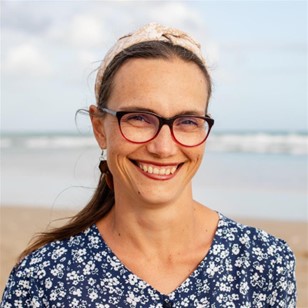
Laurette Marais is a senior researcher in the Voice Computing Research Group at the CSIR. Her background is in theoretical computer science, having obtained her PhD in Computer Science from Stellenbosch University in the field of descriptional complexity in 2018. However, she has been involved in NLP research for the South African languages since 2009, when she attended the first-ever GF Summer School in Gothenburg, Sweden. She is co-developer of the Afrikaans and isiZulu GF Resource Grammars, and is currently leading a research and development project, called Ngiyaqonda!, wherein GF application grammars are utilised alongside speech technology to support literacy development in foundation phase learners.
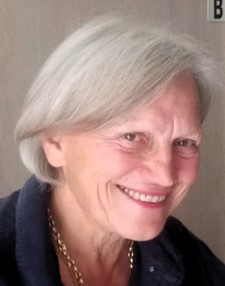
Laurette Pretorius is Emeritus Professor (Unisa) and Extraordinary Professor of Computer Science at the Stellenbosch University. She holds postgraduate qualifications in computer science, pure mathematics and applied mathematics of the universities of Stellenbosch, South Africa, Pretoria and North-West. Her research mainly concerns the natural language processing (NLP) of the resource-scarce South African languages. She is co-developer of ZulMorph and other finite-state morphological analysers for the Nguni languages and Setswana, as well as co-developer of the Afrikaans and isiZulu GF Resource Grammars. She is a collaborator on various NLP projects for the South African languages with the Voice Computing Research Group of the CSIR.
Overview of Generative AI tools and Utilisation
Presented by Privolin Naidoo
Date and time: 12 November 2025 – 14:00-16:30
The goal of the workshop is to provide a clearer understanding to participants of how generative AI can be applied in real-world situations.
Next-generation Natural Language Processing (NLP) encompasses cutting-edge, AI-driven techniques designed for context-aware, multimodal, and human-like interactions. The rise of GPT models and other large language models (LLMs) has significantly outpaced traditional NLP methods, rendering many of them obsolete. This hands-on workshop offers a structured introduction to the evolving field of Generative AI, with a focus on practical applications and responsible implementation. Participants will leave with a clearer understanding of how generative AI can be applied in real-world contexts, exposure to open source tools, and insights into developing or customising their own solutions.
This will be a half-day workshop, designed for both technical and non-technical audiences. The workshop programme:
- Overview of generative AI, its history and current state
- LLMs (Text Generation)
- Multimodal Models (Image, Video and Sound Generation)
- AI Services
- Responsible and Ethical AI Practices
- Demonstration + Walkthrough
- Open Source Tools/Service
The presenter

Privolin Naidoo is a Senior Researcher and Engineer in the NLP Research Group at the CSIR, specialising in natural language processing with a focus on text-based NLP and automatic speech recognition (ASR). His career spans both research and industry, where he has worked in data science and data engineering roles, enabling AI and machine learning solutions in large corporate environments. This blend of academic and practical experience gives him unique insights into not only the technologies driving NLP but also the ways they can create real-world value. Having returned to the CSIR, his key focus and personal mission is to make NLP more accessible to a wider audience, recognising its vital role as a cornerstone of human-computer interaction.
A Practical Guide to Writing Data Papers in the Humanities
Presented by Johannes Sibeko and Benito Trollip
Date and time: 13 November 2025 – 14:00-16:30
This workshop offers a practical and conceptual guide to writing data papers in the humanities, with a focus on linguistics, applied language studies, and literary studies. As digital scholarship and open science continue to influence the shape of research dissemination, scholars in the humanities are increasingly expected to engage with data in transparent, structured, and shareable ways. Yet, the genre of the data paper remains unfamiliar to many in our fields, and questions often arise around what counts as “data” in qualitative and text-based disciplines. This workshop addresses that gap by equipping researchers with the tools to conceptualise, draft, and submit data articles to recognised platforms.
Aims and Outcomes
This workshop introduces participants to the concept and structure of a data paper, explores the role of primary and secondary data in humanities research, and examines successful examples from Open Humanities Data and Data in Brief. By the end of the session, participants will be able to:
- Clearly explain the purpose and structure of a data paper.
- Identify primary and secondary data within their research context.
- Critically evaluate a published data paper.
- Produce a draft abstract or outline for a data paper.
Workshop Structure
The session will be interactive and structured as follows:
Part 1: Understanding the Data Article
- Welcome and brief introduction to data
- A brief introduction to data papers as a genre
- Exploring key differences between research articles and data papers
- Exploring primary vs secondary data in the humanities
- Overview of Data in Brief (for primary data) and Open Humanities Data (for secondary data)
- Discussion
Part 2: From Idea to Draft
- Guided writing session
- drafting a data description,
- metadata summary, or
- reuse statement
- Peer sharing and informal feedback
Target Audience
This session is ideal for researchers seeking to increase the visibility and accessibility of their data, fulfil open access mandates, or build research profiles in digital scholarship. Specifically, the workshop is designed for postgraduate students, early-career researchers, and established scholars working in linguistics, literature, applied language studies, cultural studies, and related language disciplines with no prior experience with publishing data articles.
The presenters
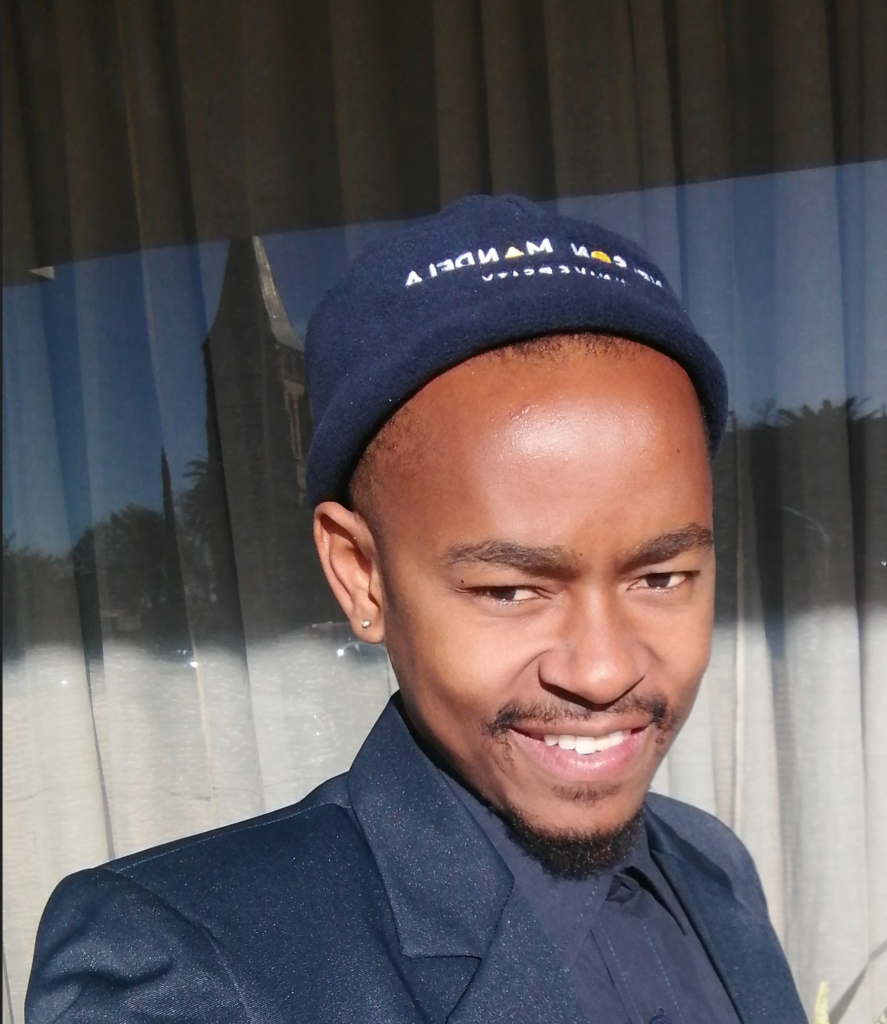
Johannes Sibeko is a Digital Humanities scholar and coordinator of the Digital Humanities Hub at Nelson Mandela University, South Africa. His research focuses on corpus linguistics, language technologies, and the development of resources for low-resource African languages. As an editor for the Journal of the Association of Digital Humanities of Southern Africa, he contributes to advancing scholarship in the field. Johannes is actively involved in curriculum development to strengthen digital research capacity and promotes the integration of digital tools into humanities research and teaching. His work also includes fostering collaborations and supporting training for emerging scholars and practitioners in Digital Humanities across the region.
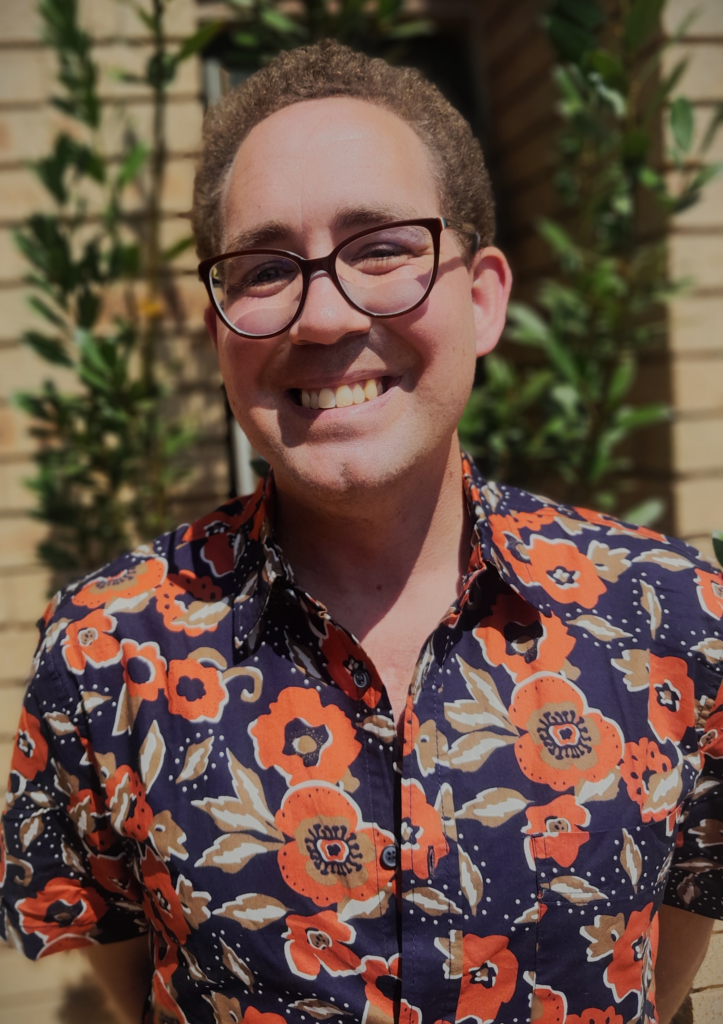
Benito Trollip is appointed as a Digital Humanities researcher, specialising in Afrikaans, at the South African Centre for Digital Language Resources (SADiLaR). He is enthusiastic by nature and aims to make a valuable contribution to society in general. He completed his PhD in 2022 in which he described morphological evaluative constructions in Afrikaans based on usage data in a written corpus of Afrikaans. Besides his background in Afrikaans linguistics, he is also passionate about open science and data management. His main interests therefore lie in Afrikaans linguistics, aspects surrounding data creation and management, as well as digital humanities more broadly. For more information, including his publications and qualifications, visit his academic website at https://bit.ly/btrollip.
Machine Learning for everyone with Orange Data Mining
Presented by Alette Schoon
Date and time: 14 November 2025 – 09:00-10:30
Are you a Digital Humanities scholar who is interested in understanding what machine learning is and what patterns it might discover in your data? This workshop will teach participants how to use the interactive, free, open-source tool Orange Data Mining to conduct their own machine learning experiments in a playful, visually interactive manner. Implement various machine learning models to discover patterns in various types of data whether numbers, images or text. Orange Data Mining is a visual interactive toolset that makes machine learning easy and gives beginners a clear sense of the different processes that are engaged.
Participants would need to download and install Orange Data Mining Software before the workshop (https://orangedatamining.com/download/). It will be appreciated if participants could also download the additional plugins for Text and Image processing beforehand.
The presenter
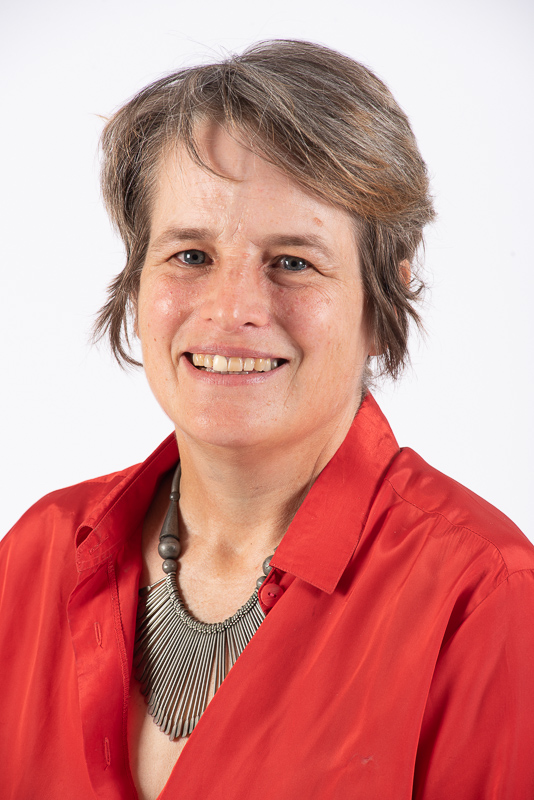
Dr Alette Schoon is a senior lecturer at the School of Journalism and Media Studies at Rhodes University. She runs DigiMethods Africa, an initiative that aims to share digital and data skills with researchers in the Humanities, and which regularly runs winter schools on this topic. Alette is a firm believer in challenging the power imbalances inherent in access to technology and enabling everyone to have the confidence to dive in, make mistakes and have fun while learning tech and computing skills. Her political orientation to making tech accessible to everyone comes from her days teaching software to activists on the Cape Flats while working for the Community Education Computer Society (CECS) during the transition to democracy. Alette’s undergraduate education started off in Electronic Engineering while holding a CSIR bursary, but she pivoted to completing a BSC in Maths and Applied Maths and then to Journalism and Media Studies. She worked for more than a decade as a documentary filmmaker and this is the focus of her teaching and her more recent scholarship. Her PhD and the bulk of her publications focus on how ordinary people in marginalised communities make meaning from digital technology and teach themselves to use it in innovative ways.