We are pleased to announce that a panel discussion will take place on Wednesday, 12 November 2025, from 11:00 to 12:00. The discussion is titled:
The Role of the Humanities in Digital Humanities and Artificial Intelligence
In many contexts, the overlap between Artificial Intelligence (AI) and Digital Humanities (DH) has led to DH being overshadowed by AI. Many people express interest in DH when they actually mean AI. This panel seeks to clarify the distinct yet complementary roles of the humanities in both DH and AI, and to highlight how humanities perspectives can enrich digital research without the expectation of technical or computational expertise.
Our panelists are: Prof Marion Walton (UCT), Dr Denzil Chetty (Unisa), Dr Gabby Dlamini (NMU), Prof Janelize Morelli (NWU), Dr Hossein Masoumi-Karakani (UP) and Prof Iginio Gargliodorne (UJ). The discussion will be lead by Dr Laurette Marais (CSIR).
Marion Walton is an Associate Professor in the Centre for Film and Media Studies at the University of Cape Town where she has integrated critical data studies into media studies, journalism and informatics curricula. She is also a member of the Data Carpentry community of Instructors, who work to teach foundational computational and data science skills to researchers. Marion’s research focuses on developing methods, software tools, and ethical approaches for the study of digital and social media in South Africa and the global South. She has published about the development of digital and mobile media in South Africa, with a particular focus on digital inequalities, research ethics, young people’s identities, literacies, and their creative and social agency.
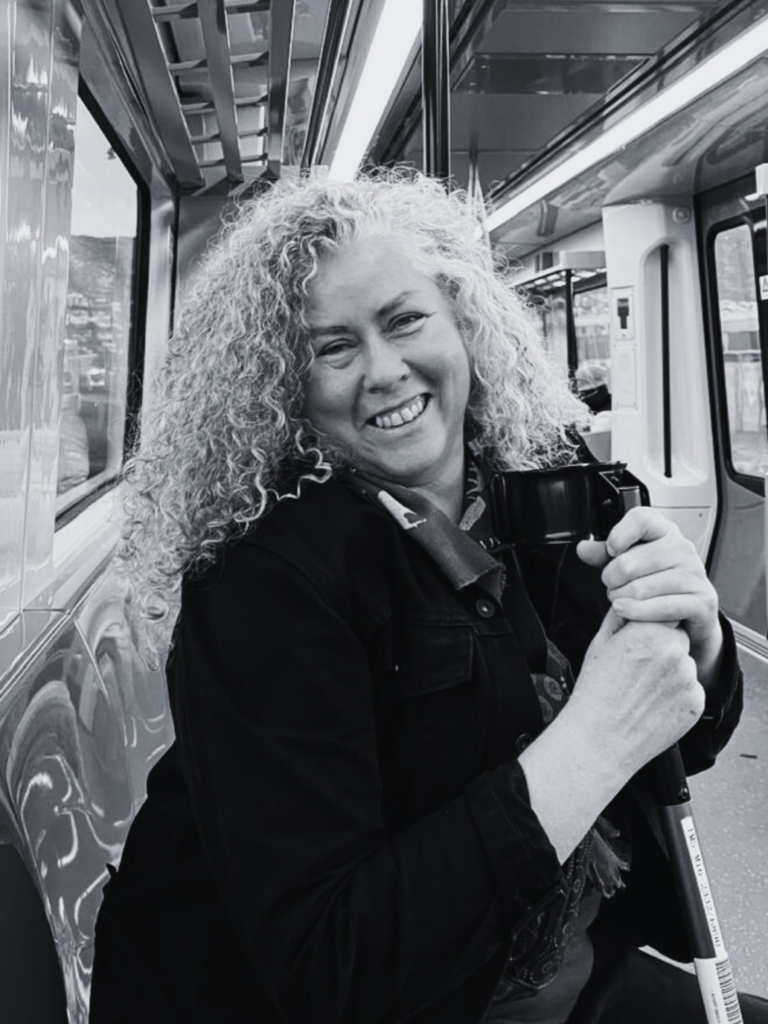
Denzil Chetty heads the Advancing African Digital Humanities Ideation Hub (AADHiH) in the College of Human Sciences at UNISA. His main area of focus is the African Digital Humanities at the Intersection of Subaltern Studies, Decolonial Theory, and Epistemic Revolution. AADHiH serves as a strategic catalyst to foreground a contextually responsive digital humanities within an interdisciplinary framework.
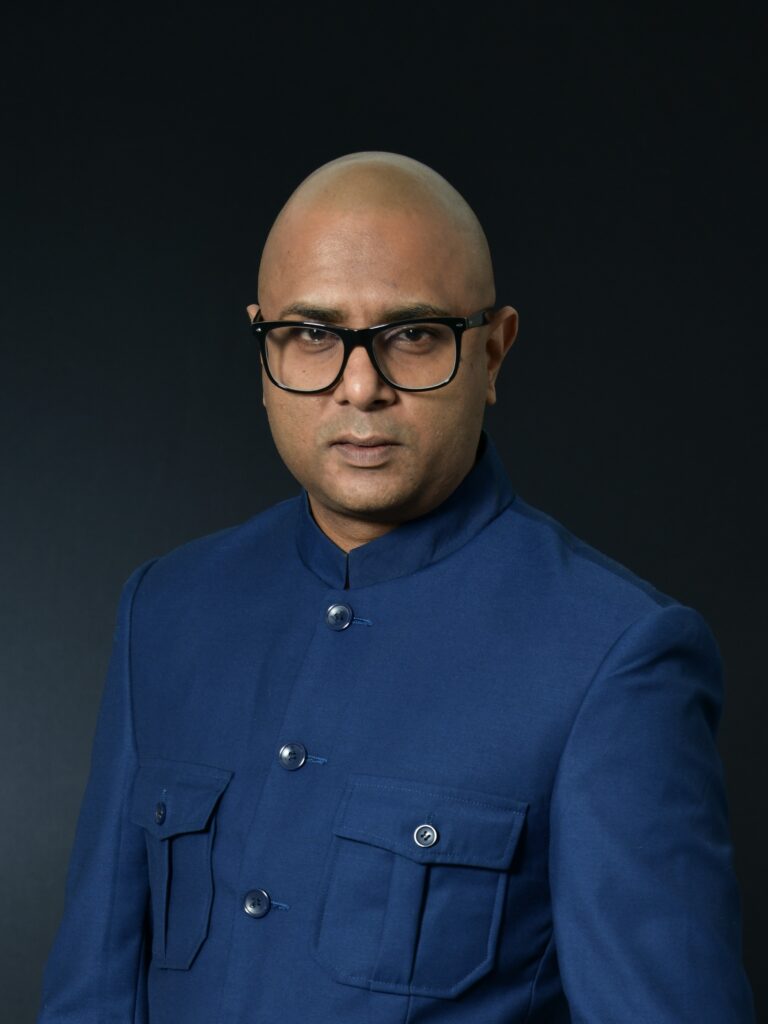
Gabby S. Dlamini is a digital anthropologist and a lecturer at Nelson Mandela University in South Africa. She has a PhD in Social Anthropology. Her current research is in digital anthropology focuses on social media, and the online creation of material and immaterial value. Her Master’s thesis, “Living Quietly,” was on Swazi middle class migrants in South Africa, and prior to this, her honours thesis was on bantfu bentsaba, who perform royal funeral rites in Swaziland. These research studies frame her broader interests on belonging, relationships, and representation of offline and online human communities in Southern Africa.
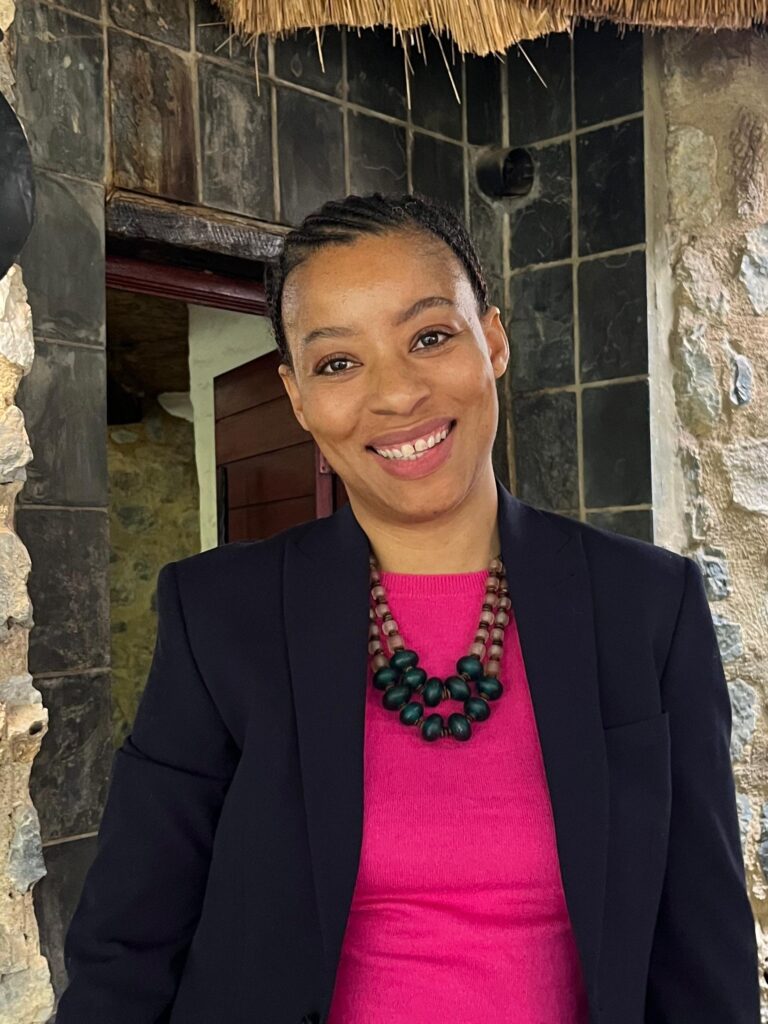
Janelize Morelli is the director of the North-West University Centre for Digital Humanities. She holds a PhD from NYU School of Culture, Education, and Human Development. Janelize’s research interest is focussed on the role of technology in mediating participatory musicking. She supervises postgraduate students interested in critical topics related to music education and community music.
Hossein Masoumi Karakani has been working at the Department of Institutional Planning, Monitoring, and Evaluation (DIP) at the University of Pretoria (UP) since 2020, where he currently serves as Deputy Director for Institutional Research and Analytics (IRA). He holds a Ph.D. in Mathematical Statistics from UP and a verified certificate in Statistical Learning from Stanford University. Specialising in advanced analytics, time series, and Bayesian statistics, he develops interpretable, ethical, and production-ready predictive models to address challenges in higher education.
Rooted in a human-centred approach to analytics, Hossein believes that data should empower people, not replace them. He emphasises the importance of soft skills – including empathy, collaboration, and ethical judgment as essential complements to technical expertise in building responsible data cultures within higher education. He currently serves as an Executive Member of the Southern African Association for Institutional Research (SAAIR).

Iginio Gagliardone is the inaugural SA-UK Bilateral Chair in the Digital Humanities at Wits University, and a fellow of Wits’ Machine Intelligence and Neural Discovery (MIND) Institute. He is the author of The Politics of Technology in Africa (2016) and China, Africa, and the Future of the Internet (2019). His most recent work examines the international politics of Artificial Intelligence and the emergence of new imageries of technological evolution in Africa.
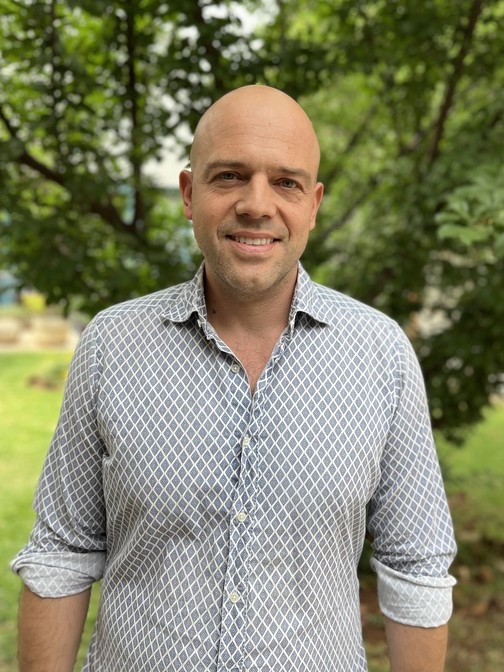
Laurette Marais is a senior researcher in the Voice Computing Research Group at the CSIR. Her background is in theoretical computer science, having obtained her PhD in Computer Science from Stellenbosch University in the field of descriptional complexity in 2018. However, she has been involved in NLP research for the South African languages since 2009, when she attended the first-ever GF Summer School in Gothenburg, Sweden. She is co-developer of the Afrikaans and isiZulu GF Resource Grammars, and is currently leading a research and development project, called Ngiyaqonda!, wherein GF application grammars are utilised alongside speech technology to support literacy development in foundation phase learners.
